
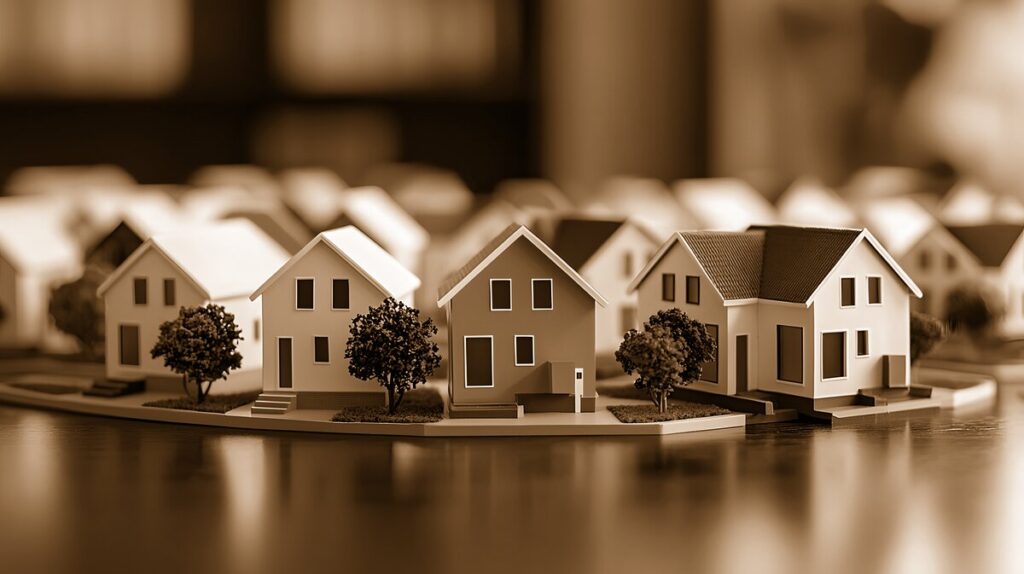
Nestled on the southwest slopes of San Francisco, bordered by Ocean Avenue, Junipero Serra Boulevard, Holloway Avenue, and Ashton Avenue, sits Ingleside Terraces—one of the city’s best-kept secrets. With its curved, tree-lined streets, Mediterranean-inspired homes, and a captivating history rooted in the city’s early 20th-century aspirations, Ingleside Terraces is a neighborhood where past and present blend seamlessly.
Origins: From Racetrack to Residential Haven
Few neighborhoods in San Francisco can claim a backstory as thrilling as Ingleside Terraces. The land that now hosts stately houses and manicured gardens was, at the close of the 19th century, home to the Ingleside Racetrack. Opened in 1895, the racetrack attracted horse racing enthusiasts, gamblers, and day-trippers, quickly making it one of the most popular social destinations in the city. Stories even tell of famed visitors like Lillie Langtry and Jack London. The area buzzed with excitement until the early 1900s, when gambling bans and changes in entertainment tastes led to the racetrack's decline.
The Name: A Nod to the Landscape
The name “Ingleside” is said to derive from the old English term for "fireside" or "by the hearth," symbolizing warmth and comfort. When the area was transformed into a residential enclave, “Terraces” was added to evoke the landscaped streets and gently rising hills that characterize this unique development.
The Birth of a Neighborhood
In 1910, the Urban Realty Improvement Company purchased the racetrack’s 148 acres, setting the stage for a remarkable transformation. The developers retained the site’s grand oval as Urbano Drive—a delightfully curving street that still dictates the neighborhood’s iconic layout. By 1912, Ingleside Terraces was officially inaugurated, promoted as an exclusive “residence park” with wide boulevards, greenways, and architectural covenants designed to attract upwardly mobile San Franciscans.
The neighborhood’s homes were designed in a variety of revival styles popular at the time—Mediterranean, Craftsman, Tudor, and Spanish Colonial—often complete with spacious yards and elegant detailing. From the stone gateway marking Entrada Court to the palm-lined stretches of Urbano Drive, the area was billed as a peaceful, family-friendly escape from the hustle and bustle of downtown.
Landmarks and Points of Pride
Despite its quiet, residential feel, Ingleside Terraces houses several local landmarks and features that hint at its eclectic past:
- Sundial Monument: At the heart of Entrada Court stands a massive concrete sundial, installed in 1913 as both an advertisement for the development and a whimsical gathering spot. The “Great Sundial”—one of the largest in the world when constructed—remains a centerpiece of community identity and annual block parties.
- Urbano Drive: This looped street, a vestige of the original racetrack, invites a stroll through the neighborhood’s architectural past. Many homes along Urbano and its ring of feeder streets still bear the original historic plaques.
- Ingleside Presbyterian Church: Located on Ocean Avenue since 1908, the church is not just a center of worship, but also a hub for neighborhood activities. Its blue-tiled roof and mission-style architecture are instantly recognizable.
- The Old Clubhouse: The Ingleside Racetrack’s former clubhouse once stood at the corner of Cedro Avenue and Urbano Drive, long since replaced by homes—yet older residents still refer to the area nostalgically as “the clubhouse lot.”
Evolution Through the Decades
Life in Ingleside Terraces has always been shaped by changes sweeping San Francisco—and at times, the nation. Originally developed with racially restrictive covenants (as was regrettably common in “residence parks” of the era), the neighborhood gradually diversified in the postwar boom. By the 1950s and 1960s, waves of new residents moved in, drawn by tranquil streets and proximity to institutions like San Francisco State University and City College of San Francisco.
Major streets such as Faxon Avenue, Chester Avenue, and Victoria Street became known for Halloween parades, summer picnics, and the sense of community that persists today. Urban connectivity improved with the extension of Muni streetcar lines, linking Ingleside Terraces to downtown and the broader city.
Today: A Neighborhood that Honors Its Roots
Ingleside Terraces today remains a pocket of stability and charm in an ever-changing city. Its quiet residential streets are ideal for strolls, dog-walking, or admiring historic homes lovingly restored by present-day caretakers. Locals enjoy close proximity to Ocean Avenue’s revitalized shops and cafes, fun events at Aptos Park, and the beloved Balboa Park—perfect for families and weekend relaxation.
Community spirit runs deep: neighbors take pride in impromptu get-togethers around the sundial, annual garden tours, and the “Sundial Park” cleanups. The historic integrity of homes is protected by architectural oversight, and old photographs from the Ingleside Terraces Homeowners Association recall the days of Model T’s and Sunday teas.
Beyond the Buildings: Stories of Heritage
Longtime residents will tell you that Ingleside Terraces is more than its picturesque structures; it’s about stories, traditions, and shared history. Children still race their bikes along Urbano Drive’s gentle curves, echoing a pastime more than a century old. On windy afternoons, the laughter of families mingles with the memory of cheering crowds from racetrack days.
Institutions like Aptos Middle School and nearby Westwood Park further root Ingleside Terraces in the fabric of southwest San Francisco—connecting generations through education, recreation, and community leadership.
A Legacy Worth Celebrating
Whether you’ve lived here all your life or are passing through for an afternoon stroll, Ingleside Terraces welcomes you with timeless beauty and gracious hospitality. Its sundial stands as a symbol of both continuity and curiosity—a place where the city’s history is written into every sidewalk, garden, and neighborly hello.
As San Francisco continues to evolve, Ingleside Terraces remains a testament to the enduring appeal of quiet streets, bold architecture, and a shared commitment to neighborhood life. For those lucky enough to call it home, it’s a fireside worth gathering around—yesterday, today, and for generations to come.